Adults Over 50 Are Searching for a Real Memory Loss Treatment — American Researchers May Have Found Something Most People Have Never Heard Of
Free presentation — no signup required
If you've been searching for a real memory loss treatment — or looking for ways to reverse memory loss and improve memory loss symptoms — what you're about to read may change how you understand what's actually happening.
Independent neuroscience researchers are pointing to a silent, largely overlooked factor that may be interfering with memory in millions of adults over 50. It has nothing to do with age. And it may explain why so many conventional approaches simply don't work.
Free to watch · No signup required
As referenced by independent researchers





Do You Recognize Any of These Signs?
Many adults who found this research relevant recognized some of the signs below. Take a moment to check which feel familiar to you.
Mild — Early SignsIf You've Been Searching for Answers — You're Not Alone
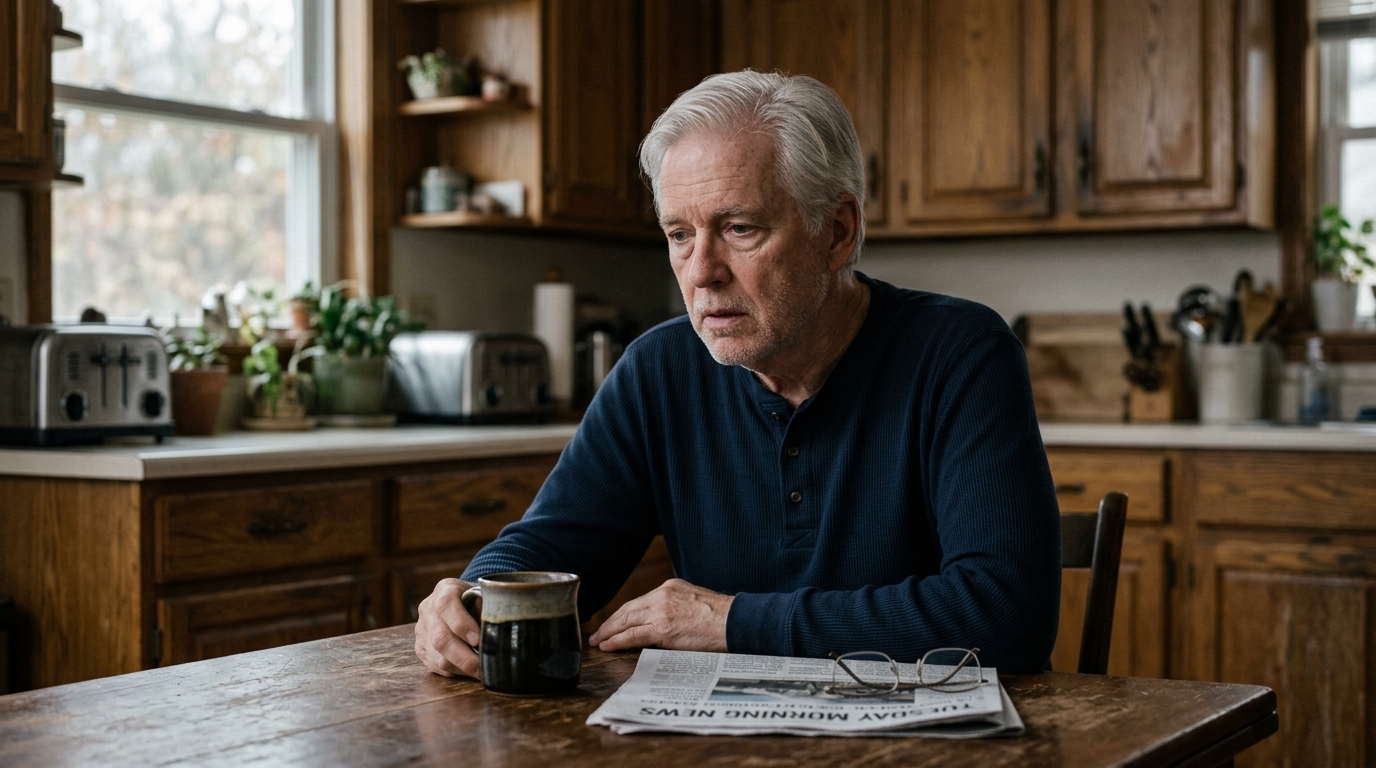
Millions of Americans over 50 experience the same thing. A name that used to come instantly now takes a moment. You walk into a room and pause, waiting for your thoughts to catch up. You ask yourself the same question you asked an hour ago. When you bring this up with a doctor, the answer is often the same: "It's a normal part of getting older."
For many people, that answer doesn't feel complete. Because this is not how things used to be. And the quiet worry — that a familiar face might not come with a name, or that a conversation from yesterday might simply not be there — is something many carry without talking about it.
What American Researchers are now suggesting is that the standard explanation may be missing something. Something that has been quietly present in the body for years — and that most conventional approaches to memory loss treatment may not fully address. The short presentation below covers what that factor may be.
Free to watch · No signup required
The Overlooked Factor American Researchers Are Pointing To
Something may be quietly interfering with how your brain accesses memories — and it's not what most people think.
According to independent neuroscience researchers — including a former NASA cognitive health consultant who spent years studying brain function under extreme conditions — the factors behind memory decline in adults over 50 may be broader than most people realize.
Their research points to a silent, largely unaddressed daily factor that has been present in the body over decades. One that was far less common in previous generations. This factor, they suggest, may be making it increasingly difficult for the brain to access its own stored memories. Not erasing them. Making them harder to reach.
Think of it this way: the memories may still be there — the names, the faces, the conversations. But something may be gradually building up between you and the information you're trying to recall. Like interference that quietly grows over time.
What makes this research particularly striking is what this factor is — and where it comes from. It is not a pharmaceutical. Not a prescription. It is something that has been in American homes for over 100 years. And according to these researchers, addressing it may be far simpler than most people searching for ways to reverse memory loss or improve memory loss symptoms would expect. The full explanation is in the presentation below.
Free to watch · No signup required
She Spent 3 Years Looking for a Memory Loss Treatment — Here Is What She Found
Margaret is 64. For almost three years, she noticed changes that quietly unsettled her. Names of people she had known for decades took longer to come. She would drive to the grocery store and sit in the parking lot for a moment, gathering her thoughts. Her neurologist ran tests. Everything came back within normal range. She was told it was age-related.
She kept looking. She researched memory loss treatment options, tried dietary changes, explored cognitive support approaches. Some helped in small ways. She still felt she hadn't found something that addressed what she was experiencing at a deeper level.
Then she came across a short presentation by a former NASA cognitive health consultant. He described a factor she had never heard mentioned — something that American Researchers suggest may be quietly interfering with how the brain accesses memories over time. He explained that for many adults, the memories themselves may not be gone. What may be happening is that something is making them harder to reach. She watched to the end to find out what that factor was.
What Margaret found in that presentation — and what she did next — is covered in the video below. It may be the most relevant thing you watch today.
Free to watch · No signup required
What Readers Are Saying
For two years I couldn't remember my neighbor's name after twenty years of living next door. I finally found something that actually addressed what I was going through. My husband was speechless at the difference.
I drove to my old neighborhood last month without getting lost, something I hadn't done in over a year. My daughter used to check in on me every single day. Now she just calls to talk.
I hadn't felt confident enough to go on walks alone in months. Last Saturday I walked to the park and back with my granddaughter, and I remembered every single thing she told me. I cried right there in the living room after she left.